Home Energy
What most homeowners get wrong about energy systems
Most people think installing solar panels is the hard part. In reality, the panels are the simplest piece of the puzzle — it's everything around them that determines whether a system actually performs or just sits on your roof looking expensive.
There's a persistent belief that solar panels are the most important decision in a home energy project. Pick the right brand, get the highest wattage, and you're set.
But that logic skips over the parts that actually determine daily performance.
Panel selection matters, but it's a fraction of the overall system design. How energy flows through the home, when it gets stored, how much backup capacity exists, and whether the system adapts to real usage patterns — those are the decisions that separate a mediocre installation from one that genuinely changes how a home operates.
Most homeowners discover this only after installation, when the system either works seamlessly or requires constant attention.
The difference is almost always in the design, not the hardware.
Storage is not optional anymore
Five years ago, battery storage was considered an upgrade. Something nice to have if the budget allowed it.
That's no longer the case.
In regions with dynamic pricing, frequent outages, or aging grid infrastructure, storage has become the backbone of a functioning home energy system. Without it, excess solar production disappears into the grid during the day and the home reverts to full grid dependence every evening.
With storage, the home retains control. Energy produced during peak sunlight gets banked for later — evenings, outages, or high-rate windows.
The shift is simple but significant: a home without storage is still fundamentally dependent on the grid. A home with storage has options.

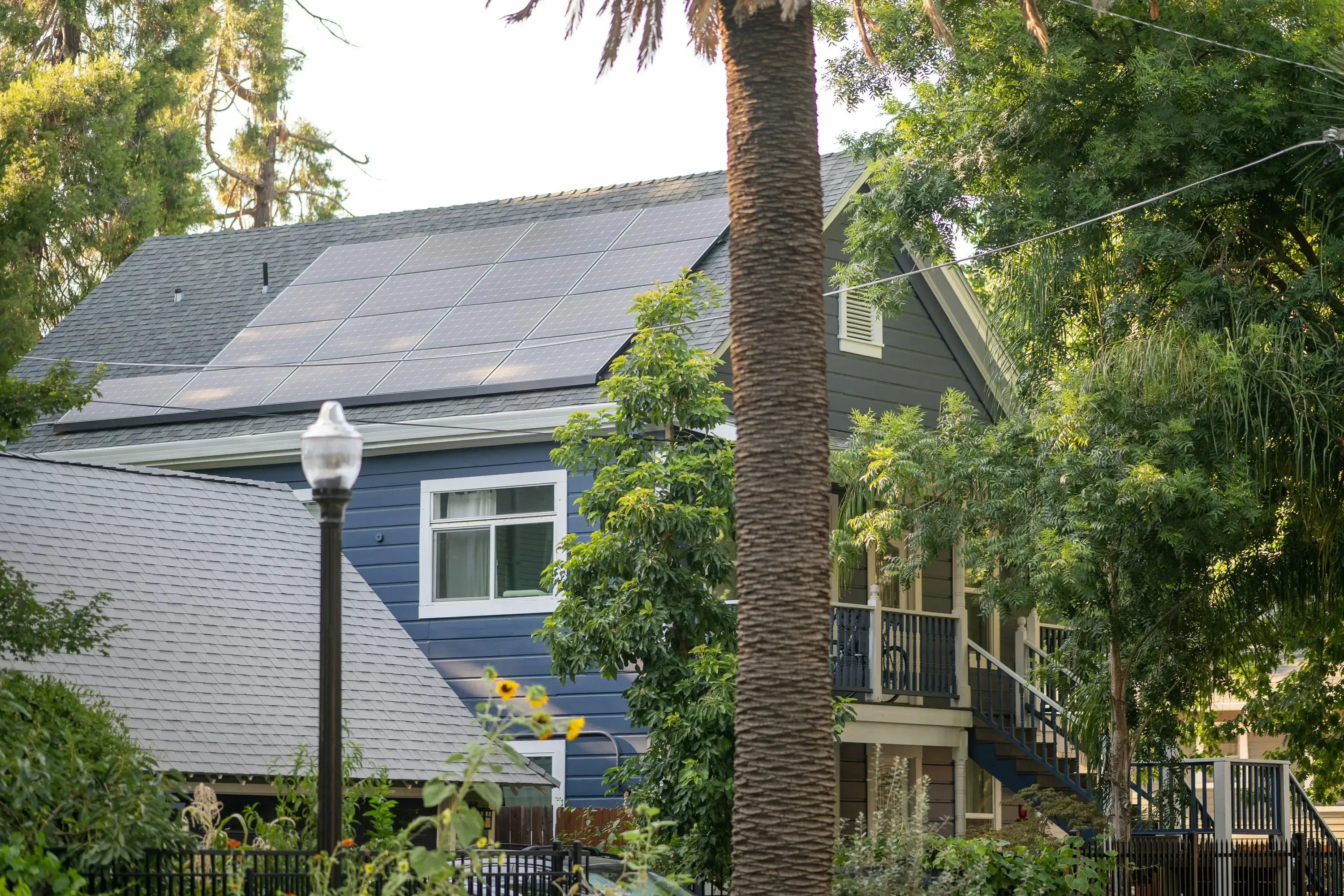
This is image caption.
Monitoring changes everything
One of the most underestimated components of modern energy systems is the monitoring layer.
Not because it generates power or stores it, but because it reveals how the home actually behaves.
Most homeowners have no idea when their house consumes the most energy. They don't know which appliances create demand spikes, how much air conditioning costs per hour during a heatwave, or whether their usage patterns align with peak pricing windows.
Real-time monitoring changes that completely.
Once homeowners can see production, consumption, storage levels, and grid draw on a single dashboard, their relationship with energy shifts. Small adjustments happen naturally. Running heavy appliances during peak solar hours. Pre-cooling the house before evening rates kick in. Recognizing which habits cost the most and which cost almost nothing.
The data doesn't force behavior change. It enables it.
Backup priorities matter more than backup capacity
When homeowners think about outage protection, the instinct is usually "I want to power everything."
That sounds logical, but it's rarely the right approach.
Powering an entire home during an outage requires enormous battery capacity and significantly increases system cost. For most households, the smarter strategy is identifying which circuits matter most and ensuring those stay operational.
Refrigeration, lighting, internet, medical equipment, and climate control are typically the essentials. A well-designed system keeps those running for days, not hours — without needing to oversize the battery bank for loads that don't matter during an emergency.
The best backup systems are the ones homeowners never have to think about. The power goes out, the system switches over, and critical functions continue as if nothing happened.
That seamlessness only happens when backup priorities are designed intentionally, not generically.