Home Energy
What a day in a solar-powered home actually looks like
There's a gap between what people imagine a solar-powered home looks like and what it actually feels like to live in one. The reality is both simpler and more interesting than most people expect.
Before anyone in the house opens their eyes, the system is already working.
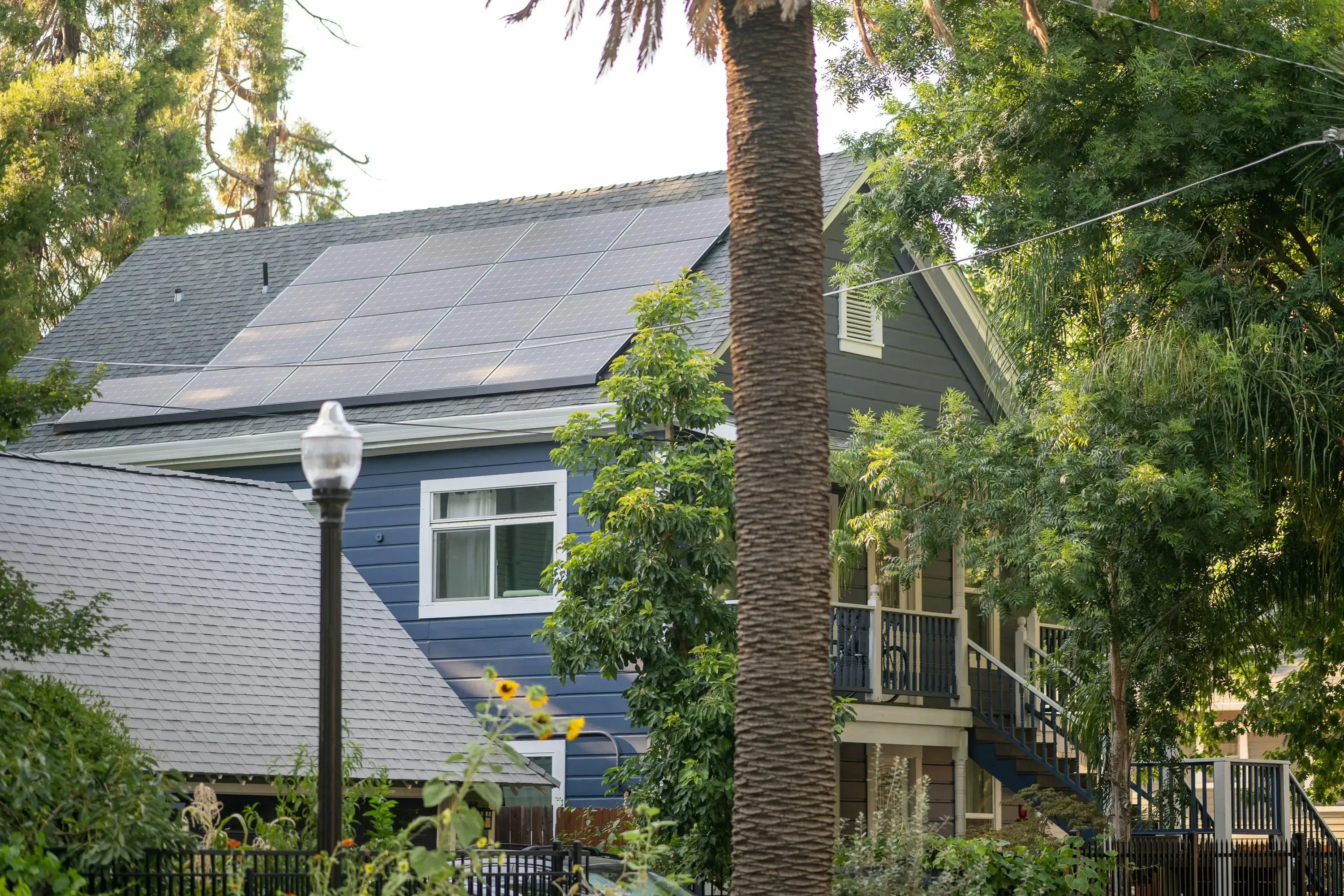
As soon as sunlight hits the panels, production begins. The inverter converts DC power into usable AC electricity and the home starts drawing from its own rooftop instead of the grid.
If the battery was partially depleted overnight — maybe from running the HVAC or charging a vehicle — the system begins replenishing it automatically. Morning production is typically moderate, ramping up as the sun climbs higher.
The homeowner doesn't need to do anything. There's no switch to flip, no app to open, no decision to make. The system manages the transition from grid to solar seamlessly.
By the time the coffee machine turns on, the house is already running on sunlight.
Midday — peak production, smart consumption
Between 10 AM and 2 PM, solar production typically hits its daily peak. This is when the system generates more energy than the home consumes under normal conditions.
The excess has several places to go. First priority is filling the battery. Once the battery reaches full charge, surplus energy can be exported to the grid for credits, directed to scheduled loads like water heating or EV charging, or simply banked as a buffer for the afternoon.
Smart homes with integrated energy management will automatically trigger high-draw tasks during this window. Pre-cooling the house before afternoon peak rates. Running the dishwasher or laundry. Heating water in a heat pump tank.
None of this requires manual scheduling once the system is configured. It just happens.
The homeowner goes about their day. The system quietly optimizes in the background.

This is image caption.
Afternoon — the transition window
As the sun begins to lower, production gradually decreases. This is the transition period where the system shifts from active production to managed consumption.
If the battery is full from midday production, the home continues running on stored energy rather than switching back to the grid. In well-designed systems, this can extend grid-free operation well into the evening.
This period is also when utility rates often increase. Peak pricing windows in many markets run from late afternoon through early evening — precisely when solar production is declining. Having a charged battery during this window is the difference between paying premium rates and paying nothing.
The system knows this. It's designed around it.
Evening — battery takes over
Once the sun sets, solar production stops completely. In a traditional home, this means full grid dependence returns.
In a solar-battery home, the battery seamlessly takes over.
Lights, cooking, entertainment, internet, HVAC — everything continues as normal, powered by energy that was generated and stored earlier in the day. The homeowner doesn't notice the transition because there is no transition to notice.
Depending on the battery capacity and household consumption, stored energy can cover the entire evening and overnight period. Larger systems with well-managed loads can make it through to the next morning without touching the grid at all.
The monitoring dashboard shows the real-time draw from the battery, projected remaining capacity, and estimated time until solar production resumes. Some homeowners check it out of curiosity. Most forget it's there because everything just works.