Energy Costs
The real cost of waiting another year to go solar
Every homeowner considering solar has the same thought at least once: "Maybe I'll wait until next year." It feels like a safe, neutral decision. But waiting has a cost — and it's bigger than most people realize.
Each year a homeowner waits, they continue paying full grid rates for electricity their roof could be generating.
For the average Texas household spending $250 to $350 per month on electricity, a solar system offsetting 50% to 70% of that consumption would save between $1,500 and $3,000 annually. Some homes with higher consumption or battery integration save even more.
That's money that doesn't accumulate. It doesn't build equity. It simply disappears into utility payments every month.
By the time a homeowner finally installs solar a year later, they've spent that full amount on grid power they didn't need to buy. The system they eventually install will still deliver savings going forward — but that first year of potential savings is gone permanently.
The irony is that "waiting to save money" is one of the most expensive decisions a homeowner can make.
Utility rates won't wait with you
Electricity prices are not holding steady while homeowners make up their minds.
Over the past decade, residential rates have increased an average of 3% to 5% annually in most U.S. markets. In states with high demand growth like Texas, the increases have been even steeper.
This means the system you could install today would be offsetting a lower rate than the system you install a year from now. The savings start smaller, but the baseline cost you're avoiding is higher.
Waiting doesn't save money. It shifts the starting point to a more expensive baseline — and every month between now and installation is paid at today's rising rates.

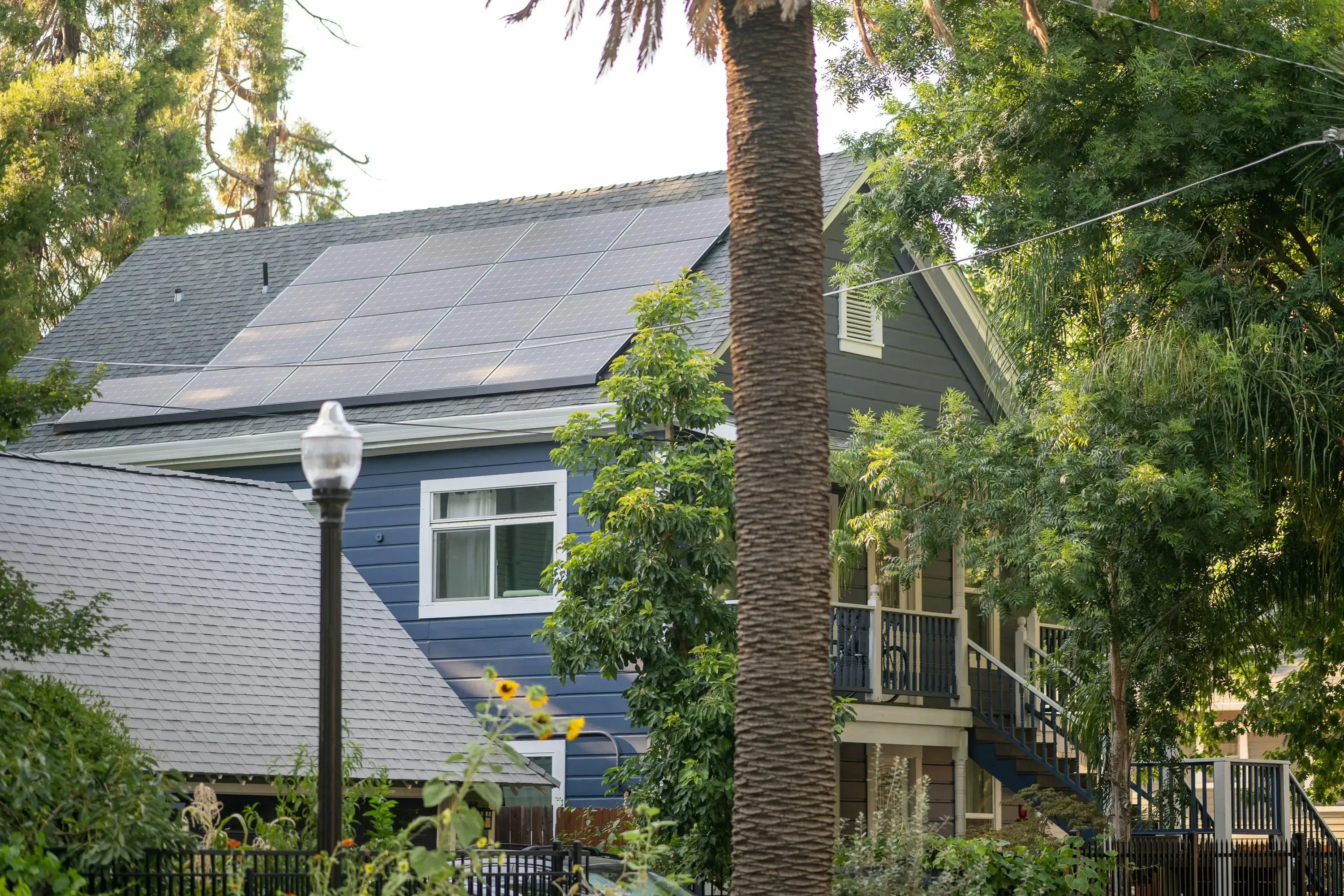
This is image caption.
Incentives are not guaranteed to last
The federal Investment Tax Credit currently allows homeowners to deduct 30% of their solar installation cost from their federal taxes. This is one of the most significant financial incentives available for residential energy projects.
But tax credits have expiration dates and phase-down schedules.
Previous versions of the ITC have been reduced, extended, and modified multiple times based on political and budgetary priorities. There is no guarantee that the current 30% rate will remain available indefinitely.
State-level rebates and utility incentives are even less predictable. Many programs operate on fixed budgets that close once allocated funds are exhausted.
Homeowners who assume today's incentives will still be available next year are making a financial bet without knowing the odds. Locking in current incentive levels by moving forward now eliminates that uncertainty entirely.
Your home's value is waiting too
Multiple studies have shown that homes with solar installations sell for a premium compared to equivalent homes without them.
The National Renewable Energy Laboratory and Zillow have both documented average increases of 3% to 4% in home sale prices associated with owned solar systems. For a $400,000 home, that's $12,000 to $16,000 in additional value.
That value doesn't appear the day the system is installed. It builds over time as the system establishes a production track record and demonstrates real savings.
Every year a homeowner waits is a year that equity isn't being added. If a sale is even a possibility within the next five to ten years, installing sooner means more documented savings history and a stronger value proposition for buyers.